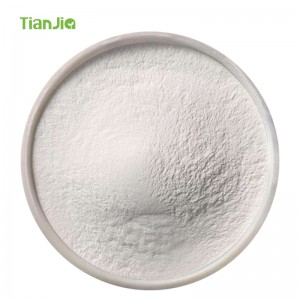
Encapsulated Citric Acid


For food and beverage manufacturers, encapsulated citric acid—citric acid micro-encapsulated in natural, GRAS-certified carriers (maltodextrin, gum arabic, corn starch, or plant-based lipid shells)—solves critical formulation, processing, and sensory pain points associated with normal (unencapsulated) citric acid. By creating a protective barrier around citric acid, this engineered ingredient delivers controlled release, enhanced stability, and improved compatibility, empowering manufacturers to produce consistent, high-quality, consumer-friendly end products across all beverage and food categories.
Eliminate Unwanted Sourness Bursts for Balanced & Layered Flavor Profiles
Normal citric acid releases its sharp, tart flavor instantly on contact with the tongue, overwhelming sweet, fruity, or savory notes in products like fruit juices, soft candies, craft sodas, and jams. This creates an unbalanced sensory experience and limits the ability to craft premium, nuanced flavors— a key issue for high-margin, consumer-centric products.
Encapsulation enables controlled/sustained release of citric acid (triggered by chewing, saliva, or gradual dissolution). It delivers a mild, slow-building sourness instead of a jarring tart "kick," balancing sweet and sour notes and brightening natural flavors without overpowering them. For example, encapsulated citric acid in berry jellies or citrus sodas creates a natural, fruit-like sourness that lingers harmoniously
More Stable during High-temperature Production & Longer Shelf Life
Normal citric acid is sensitive to heat, light, and moisture. It degrades during high-temperature processing (pasteurization for beverages, candy boiling, canned food sterilization) or hydrolyzes in humid storage, losing its souring power and pH-regulating efficacy. This leads to inconsistent flavor, failed pH control (increasing spoilage risk), shortened shelf life, and costly production waste.
The protective microcapsule shell shields citric acid from harsh processing conditions (temperatures up to 170°C) and environmental stressors (light, humidity). It retains 95%+ of its activity after pasteurization, baking, or sterilization, and maintains consistent sourness/pH for the product’s entire shelf life (extended by 30–50% vs. free citric acid). For canned fruit or pasteurized cold-pressed juices, this means no flavor dulling or spoilage from lost pH control over time
Prevent Unwanted Reactions with Key Ingredients
Normal citric acid reacts with critical food/beverage components, compromising product quality and functionality:
1. Reacts with metal ions (calcium, iron, zinc in fortified beverages/plant milks) to form insoluble precipitates, causing clouding, gritty textures, or nutrient loss;
2. Breaks down carbonation in sodas or sparkling waters by accelerating CO2 release, leading to flat beverages.
3. Denatures dairy or plant proteins (in milk alternatives, yogurt, creamers) at high doses, causing curdling or separation.
4. Reduces the efficacy of natural colorants (anthocyanins in berry drinks) via pH fluctuations, leading to fading.
Encapsulation physically isolates citric acid from other ingredients, eliminating direct contact and all these adverse reactions. This preserves product clarity, nutrient integrity, carbonation, and color stability—critical for fortified beverages, plant-based milks, sparkling drinks, and naturally colored fruit juices.
Ensure Uniform Dispersion & Batch-to-batch Consistency
Normal citric acid dissolves unevenly in high-viscosity formulations (salad dressings, creamy sauces, fruit purees, thick smoothies) and cannot disperse in oil-based products. It clumps, settles at the bottom of mixing tanks, or creates localized sourness spikes, leading to inconsistent taste across batches, extra mixing steps, and increased consumer complaints.
Encapsulated citric acid is milled into tiny, uniform particles that disperse evenly in both water-based and oil-based matrices (no clumping or separation). It eliminates hot spots of sourness and ensures identical flavor and pH in every batch, reducing mixing time, streamlining production, and cutting quality control costs. For creamy salad dressings or oil-based marinades, this delivers a consistent, mild tang throughout the product.
Expands Formulation Flexibility
Normal citric acid is only water-soluble, making it unusable for oil-based food and beverage products (salad dressings, nut butters, oil-based flavorings, creamy margarines) where sourness brightening or pH adjustment is needed. Manufacturers are forced to use costly, less effective alternative acids or emulsifiers to compensate, increasing formulation complexity and raw material costs
Encapsulation tailors citric acid to any matrix by matching the carrier to the product’s base:
· Hydrophilic carriers (starch, gum arabic) for water-based products (juices, sodas, plant milks).
· Lipid-based carriers (plant oils, waxes) for oil-based products (salad dressings, nut butters, marinades).This eliminates the need for extra emulsifiers or alternative acids, simplifying formulations and enabling sourness enhancement in previously off-limits oil-based categories—all with a single ingredient
Cut Production Losses & Improve Production efficiency
Normal citric acid is highly hygroscopic (absorbs moisture from the air), causing clumping, caking, and stickiness during raw material handling and production. Clumped citric acid clogs feeding equipment, mixes unevenly, and leads to significant raw material waste (up to 10% in large-scale production).
The encapsulation shell creates a moisture-resistant barrier, making citric acid non-hygroscopic. It flows freely, is easy to dose and feed into production lines, and eliminates caking/clumping. This reduces raw material waste, minimizes equipment downtime and cleaning, and boosts overall production efficiency—critical for large-scale, industrial food/beverage manufacturing.
If you you are wondering where to buy factory price bulk encapsulated citric acid powder for your formulations and products, Tianjiachem, as one food and beverage solutions supplier, will always provide you not just premium products with ISO22000, ISO9001, FDA, Kosher, HALAL certificates, but also solutions to help drive your business forward in the global market. Contact us today to discuss how we can collaborate and meet your specific needs.
1.More than 10 years experience with ISO certified,
2.Factory of flavor and sweetener blending,Tianjia Own Brands,
3.Research on the Market Knowledge & trend follow up,
4.Timely Deliver & Stock Promotion on hot demanding products,
5.Reliable & Strictly follow the contract responsibility & after sales service,
6. Professional on International Logistic Service, Legalization documents & Third Party Inspection process.